Preterm Labour Signs and When to Get Help in Palasa
Preterm labour: signs to watch for, what to do and how care works
Quick answer: Preterm (premature) labour is labour that starts before 37 weeks of pregnancy. The NHS advises contacting your doctor or maternity unit straight away if you are less than 37 weeks pregnant and have regular contractions or tightenings, a gush or trickle of fluid from the vagina, or backache that is not usual for you. Also seek urgent help for vaginal bleeding, fever, or if your baby's movements slow down or change. Do not wait to see if it settles. Early assessment means the team can check you and your baby, and plan the right care, including moving you to a hospital with a newborn unit if needed.
World Prematurity Day is marked on 15 November in 2026, and this year's theme is "Small babies, big potential. Invest in follow-up care to protect their future!" For families in Palasa, Kasibugga and the villages around, it is a good time to learn the early signs of labour starting too soon, because acting quickly can make a real difference for mother and baby.
This guide explains what preterm labour is, the warning signs, what to do if they start, what checks and treatment may be offered, and how regular antenatal care helps.
What is preterm labour?
According to the NHS guide to premature labour and birth, premature labour is labour that happens before the 37th week of pregnancy. The NHS notes that about 8 out of 100 babies are born prematurely.
The World Health Organization (WHO) describes preterm birth in three groups based on how many weeks pregnant the mother is:
- Extremely preterm: less than 28 weeks
- Very preterm: 28 to less than 32 weeks
- Moderate to late preterm: 32 to 37 weeks
WHO estimates that 13.4 million babies were born too early worldwide in 2020, which is more than 1 in 10 babies, and that the majority of preterm births occur in southern Asia and sub-Saharan Africa. The earlier a baby is born, the more vulnerable they are, so recognising the signs early matters.
Warning signs of preterm labour
The NHS says to call your midwife or maternity unit if you are less than 37 weeks pregnant and you have:
- Regular contractions or tightenings of the tummy. Occasional, irregular tightenings can be normal in pregnancy, but tightenings that come regularly or get stronger need checking.
- A gush or trickle of fluid from the vagina. This could be your waters breaking.
- Backache that is not usual for you.
The NHS also says you can call if you are unsure or worried about anything. Other signs that need prompt attention in pregnancy include vaginal bleeding, a fever or feeling hot, cold or shivery, pain in the tummy or back, fluid that is greenish or smelly, and a baby who is moving less than usual or whose pattern of movements has changed.
Many women are unsure whether what they feel is real labour. Our article on signs of labour and when to go to hospital explains contractions, waters breaking and the show in more detail. The key difference is timing: before 37 weeks, these signs should never be ignored.
What to do if you notice these signs
- Call the hospital or your doctor straight away. Explain how many weeks pregnant you are and what you are feeling.
- Go to hospital promptly if you are advised to, or if there is bleeding, a gush of fluid, strong regular pains or reduced baby movements.
- Carry your antenatal records, including scan reports, blood test results and any medicines you take. These help the team understand your pregnancy quickly.
- Use a sanitary pad, not a tampon or cloth inside, if fluid is leaking, so the team can see the colour and amount.
- In an emergency, such as heavy bleeding, fits, severe pain or fainting, call 108 or 112 for an ambulance.
Families often wait for the morning or for a relative to come home before travelling. With preterm labour signs, it is safer to travel early. Plan in advance how you will reach the hospital at night, especially if you live in an outlying village.
Checks the doctor may do
The NHS explains that the hospital will offer checks, tests and monitoring to find out whether your waters have broken, whether you are in labour, and whether you have an infection. These may include:
- questions about your medical and pregnancy history, and about your contractions and any fluid loss
- checking your pulse, blood pressure and temperature
- a vaginal examination
- blood and urine tests
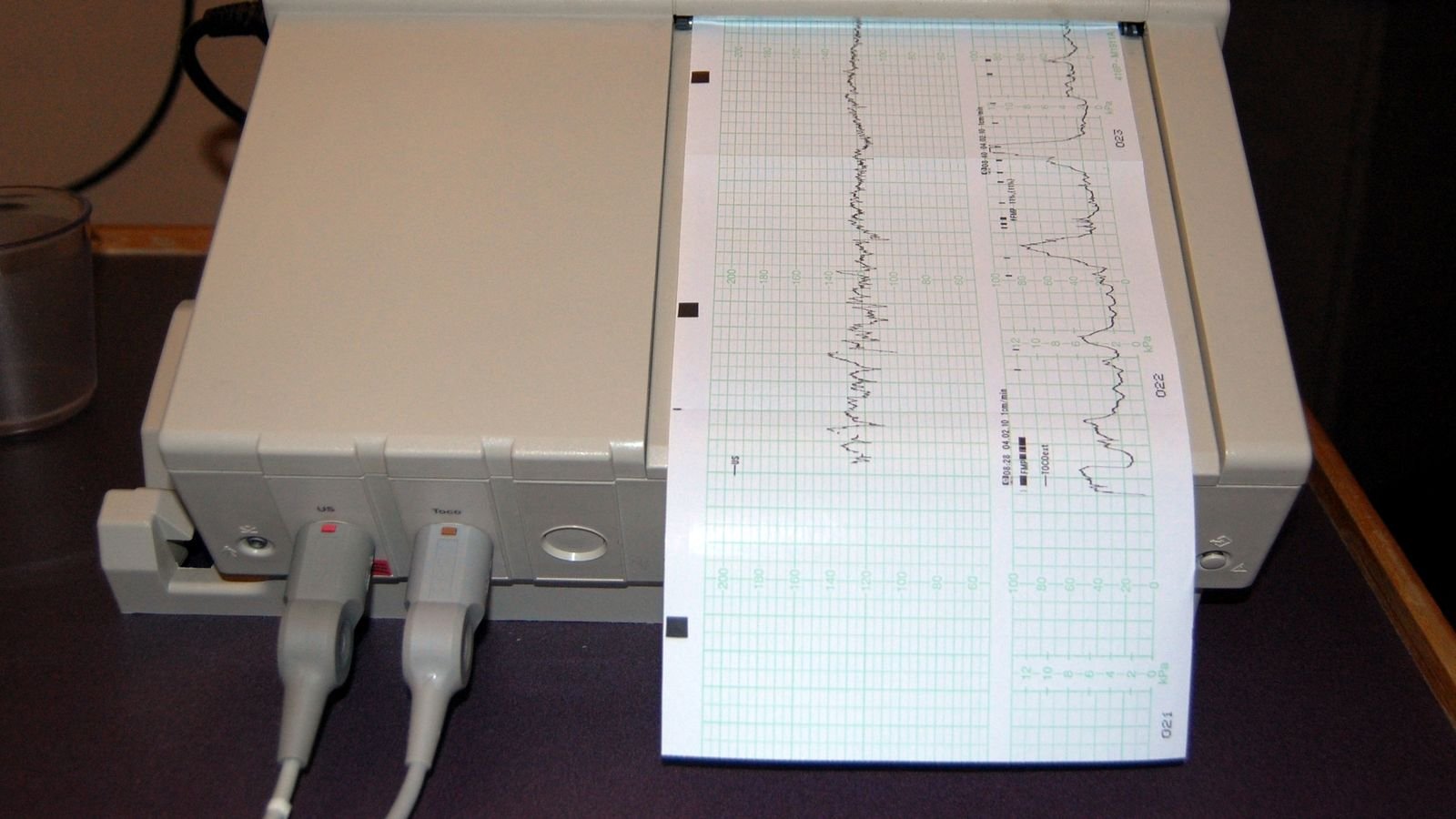
- cardiotocography (CTG), which records contractions and the baby's heartbeat
- feeling your bump to check the baby's position, and asking about the baby's movements over the last 24 hours
Treatment that may be offered
Treatment depends on how many weeks pregnant you are, your health and your baby's health. The NHS and WHO describe several treatments that doctors may consider:
- Steroid injections to help the baby's lungs get ready for breathing if they are born early.
- Medicine to slow down or stop labour. The NHS notes this is not appropriate in all situations, for example when it may be safer for the baby to be born because of infection or bleeding.
- Magnesium sulphate through a drip in some cases, to help protect the baby's brain and nervous system.
- Antibiotics if the waters have broken early, because this increases the risk of infection for mother and baby.
Your doctor will explain the benefits and risks of each option and discuss them with you and your family.
If your waters break early
When the waters break before labour starts and before 37 weeks, it is called preterm pre-labour rupture of membranes (P-PROM). The NHS says there is an increased risk of infection, so you will be offered antibiotics and tests for infection, and you may be advised to stay in hospital for a few days. P-PROM does not always mean labour will start straight away.
After going home, the NHS advises contacting the maternity unit immediately if you have a raised temperature or feel hot, cold or shivery, fluid that is greenish or smelly, bleeding, pain in the tummy or back, contractions, or a change in the baby's movements.
Why the place of birth matters
Babies born very early may need special care in a neonatal (newborn) unit. The NHS explains that not all hospitals have facilities for the care of very premature babies, and if a baby is likely to be delivered early, the mother may need to be transferred to a hospital with a neonatal unit. This is why it is important to reach a hospital early, so doctors have time to assess you, start treatment where suitable, and arrange a safe transfer if it is needed. Your doctor will advise you on the right place of care.
Who is at higher risk?
WHO notes that most preterm births happen spontaneously, and often no cause is found. Known causes and risk factors include:
- twins or more babies
- infections
- long-term conditions such as diabetes and high blood pressure
- other pregnancy complications that may need an early planned birth, such as pre-eclampsia
The NHS adds that women who have had a previous birth before 34 weeks, a miscarriage from 16 weeks, waters breaking early in a previous pregnancy, or an injury to the cervix may be offered extra checks, such as a vaginal ultrasound scan between 16 and 24 weeks to measure the cervix, and in some cases treatment to help prevent early labour. If any of these apply to you, tell your doctor early in pregnancy.
How antenatal care helps
WHO says that preventing deaths and complications from preterm birth starts with a healthy pregnancy. Its antenatal care guidance includes counselling on a healthy diet and nutrition, avoiding tobacco and other harmful substances, an early ultrasound to confirm how many weeks pregnant you are and detect twins, and at least 8 contacts with health professionals during pregnancy, starting before 12 weeks, to find and manage risk factors such as infections.
In practical terms, this means booking your first antenatal visit early, attending check-ups regularly, taking the supplements your doctor prescribes, and having tests such as blood pressure, blood sugar and haemoglobin checks done on time. Our article on the gestational diabetes test during pregnancy explains one of these checks. The hospital's obstetrics and gynaecology department page lists antenatal, high-risk pregnancy and delivery services.
Caring for a baby born early
WHO highlights simple care that helps preterm and low birthweight babies, including kangaroo mother care (holding the baby skin-to-skin on the mother's chest), starting breastfeeding early, keeping the baby warm, and keeping mother and baby together unless the baby is critically ill. Babies born early also need regular follow-up after going home, to check growth, feeding, eyesight, hearing and development, which is the focus of this year's World Prematurity Day. Ask your doctor which follow-up visits your baby needs.
Frequently asked questions
What are the first signs of preterm labour?
The NHS lists regular contractions or tightenings, a gush or trickle of fluid from the vagina, and backache that is not usual for you as signs to act on if you are less than 37 weeks pregnant. Contact the hospital straight away if you notice any of these.
Is it normal to have tightenings before 37 weeks?
Occasional, irregular tightenings can happen in pregnancy. However, tightenings that become regular, stronger or painful, or that come with fluid loss, bleeding or back pain, should be checked by a doctor promptly.
Can preterm labour be stopped?
Sometimes doctors may offer medicine to slow down or stop labour, but the NHS explains this is not suitable in every situation. The decision depends on how many weeks pregnant you are and the health of mother and baby.
Why are steroid injections given in preterm labour?
The NHS says steroid injections can help the baby's lungs get ready for breathing if they are born prematurely. Your doctor will explain whether they are suitable for you.
Can a woman who had a premature baby before have a full-term pregnancy?
A previous early birth can raise the risk in a later pregnancy, but it does not mean the next baby will also come early. Tell your doctor at your first antenatal visit so extra checks, and treatment if needed, can be planned early in the pregnancy.
Contact the hospital
For an obstetrics and gynaecology consultation at Gopala Krishna Kusuma Multispeciality Hospital, 3B, 5c 431/3A, Jayaramachandrapuram road, Kasibugga, Padmanabhapuram colony, Shivaji Nagar, Palasa, Andhra Pradesh 532222, call +91 79008 08790, or visit our contact page for directions and other ways to reach us. In an emergency, call 108 or 112.
Hours: OPD Monday to Saturday, 9 AM to 9 PM; emergency services 24 hours.
Disclaimer: This article is for general information only and is not a substitute for professional medical advice, diagnosis or treatment. Please consult a qualified doctor about your own health.
Image credit: Steven Fruitsmaak, via Wikimedia Commons, CC BY 3.0; cropped and resized. Representative image; it does not show the hospital's patients, staff or premises.