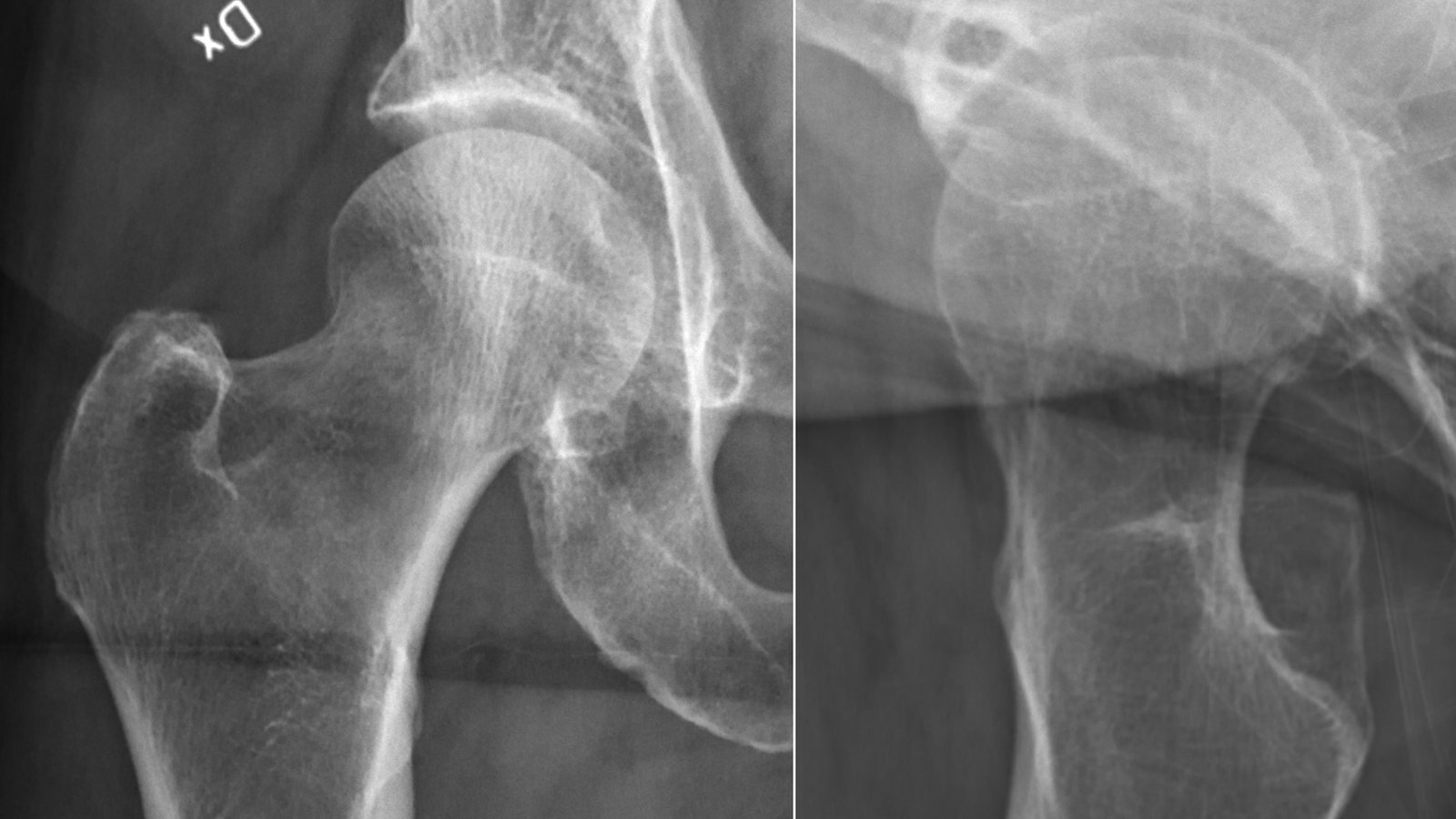
Hip Fracture Signs and Care for Older Adults in Palasa
Hip fracture in older adults: warning signs, first steps, treatment and recovery
Quick answer: A hip fracture is a break in the top part of the thighbone, just below the hip joint. In older adults it usually happens after a simple fall at home, often because the bones have become weak with osteoporosis. Typical signs are pain in the hip, groin or upper thigh, not being able to stand or put weight on the leg, and a leg that looks shorter or turned outwards. A suspected broken hip needs hospital care straight away, so call 108 or 112 instead of trying to move the person yourself. Most hip fractures are treated with surgery, followed by physiotherapy to help the person stand and walk again.
In Palasa, Kasibugga and the villages around them, many grandparents still live active lives: drawing water, sweeping the courtyard, walking to the temple or market, and looking after grandchildren. As the cooler months begin, early mornings can bring dew on courtyard tiles, wet bathroom floors that take longer to dry, and less daylight in the evenings. A slip that a younger person would shake off can break the hip of an older person whose bones have become thin.
This guide explains how to recognise a hip fracture, what to do first, how it is treated, and how to lower the chance of a fall at home.
What is a hip fracture?
The hip is a ball-and-socket joint. The ball is the head of the thighbone (femur) and the socket is part of the pelvis. According to the American Academy of Orthopaedic Surgeons (AAOS) OrthoInfo, a hip fracture is a break in the upper portion of the femur. It can affect different areas:
- Femoral neck: the narrow part just below the ball.
- Intertrochanteric area: the region a little lower, between two bony bumps called the greater and lesser trochanters.
- Subtrochanteric area: the upper part of the shaft of the thighbone, just below these bumps.
- Femoral head: the ball itself. AAOS notes these breaks are rare and usually follow a high-energy injury.
AAOS explains that femoral neck and intertrochanteric fractures are the most common types, and the type of break guides the kind of operation a surgeon may suggest.
Why older adults are more at risk
AAOS states that most hip fractures happen in elderly people whose bones have been weakened by osteoporosis, and that most of these breaks follow low-energy falls. In such people, even a simple twist or trip can be enough. In some cases the bone is so weak that it breaks while the person is just standing or walking, and the fall happens because of the break, not the other way round.
In younger people, it usually takes a bigger force, such as a road accident. The NHS (UK National Health Service) also notes that a broken hip is more common in older people and in people who have osteoporosis.
Other things that can make a fall more likely in an older person include:
- weak leg muscles, poor balance or a slow, unsteady walk
- poor eyesight, or old spectacles that no longer suit the eyes
- medicines that cause dizziness or drowsiness, or a drop in blood pressure on standing up
- loose slippers, wet or polished floors, and steps without a rail
If you would like to understand bone strength in more detail, read our guide to osteoporosis and bone health after 40.
Signs of a broken hip
The NHS lists these symptoms of a broken hip:
- pain in the hip, upper leg and groin
- not being able to stand or put weight on the affected leg
- difficulty moving the hip and leg
- the affected leg is at an odd angle or looks shorter than the other leg
- swelling and bruising around the hip and upper leg
AAOS adds that the person can usually still move the ankle and toes, and that the injured leg is often turned outwards. There may be a bruise on the outer side of the hip where the person landed.
A hip fracture is not always obvious
Families sometimes assume that if an elder can move the leg a little, nothing is broken. AAOS explains that a small number of hip fractures, usually where the bone pieces have not moved out of place, may not be very painful at first, and the person may still bear some weight, though it hurts.
So if an older person has hip or groin pain after a fall, even a minor one, and the pain does not settle or walking is difficult, it should be checked by a doctor with an X-ray. For help telling the difference between a sprain and a break in general, see our article on sprain or fracture signs after a fall.
What to do in the first hour after a fall
The NHS advises urgent medical help for a broken hip or for hip pain after a fall, and says not to drive to the emergency department but to call an ambulance. In India, call 108 or 112. While you wait:
- Do not force the person to stand or walk "to test" the leg. This can cause more pain and harm.
- Keep them still and comfortable. Let them lie in the position that hurts least. Support the injured leg with folded clothes or pillows so it does not roll.
- Keep them warm. Older people lose body heat quickly when lying on a cold floor, especially on winter mornings. Cover them with a blanket or shawl.
- Do not pull or straighten the leg, and do not massage the hip or apply oil, heat packs or traditional bandages.
- Do not give food or drink until a doctor has seen them, because surgery may be needed soon.
- Collect their medicines and reports, including any blood thinners, diabetes or blood pressure tablets, and take them to the hospital. The NHS also suggests bringing any medicines the person takes.
If the person hit their head or is confused or drowsy, tell the emergency team immediately.
How doctors confirm a hip fracture
At the hospital, a doctor will ask how the injury happened, examine the hip and leg, and check feeling, movement and blood circulation in the lower leg. AAOS notes that most hip fractures can be seen on an X-ray. If the X-ray does not show a break but a fracture is still suspected, a doctor may advise a CT scan, or less often an MRI, which can pick up small or incomplete fractures.
Treatment options a doctor may discuss
The NHS says a broken hip needs to be treated in hospital straight away and that surgery is needed to treat it. AAOS explains that only a very small group of breaks can be managed without an operation, and that some patients may be too unwell to have surgery safely. Depending on the person's age, health and the type of break, the NHS lists these options:
- Fixing the break with screws, nails, rods or plates so the bone can heal in place.
- Partial hip replacement (hemiarthroplasty): replacing the damaged ball of the hip with an artificial part.
- Total hip replacement: replacing the whole damaged joint with an artificial joint.
AAOS explains that getting the person out of bed as soon as possible helps prevent complications such as bed sores, blood clots and pneumonia, and that long bed rest can make very old patients confused, which makes recovery harder. AAOS notes that surgery within 24 to 48 hours may reduce the risk of complications, and the NHS says the operation is usually done on the day of arrival or the day after. The surgical team will explain the plan, its benefits and its risks to the family.
Recovery and rehabilitation
Recovery from a hip fracture takes time and teamwork. According to the NHS:
- a broken hip usually takes several weeks or months to heal, and it can take longer
- people usually spend around 1 to 4 weeks in hospital
- regular physiotherapy starts soon after surgery to help the person stand and move again, and exercises continue at home
- some people may never get back the same strength and movement as before, and may need a walking stick or frame
AAOS adds that most patients can get out of bed and start physiotherapy the day after surgery, and that early movement and rehabilitation have been shown to improve long-term results.
How families can help at home
- Keep up the exercises the physiotherapist teaches, every day, even when progress feels slow.
- Make the home safer before discharge: clear the path to the toilet, add a night light, and keep a chair with arms near the bed.
- Use the walking aid as advised, and help with bathing until the person is steady.
- Watch the wound and report redness, discharge, fever or increasing pain to the doctor.
- Watch for warning signs of a clot, such as new calf pain or swelling, or sudden breathlessness, and seek urgent care if they appear.
Preventing falls at home in Palasa
Many falls happen at home during ordinary tasks, so small changes can make a real difference:
- Keep bathroom and courtyard floors dry; use a non-slip mat and fix a grab rail near the toilet if possible.
- Light the path from the bed to the bathroom at night.
- Use well-fitting footwear with a firm grip instead of loose or worn slippers.
- Stand up slowly from bed or a chair, especially in the morning or after using the toilet at night.
- Get eyesight checked, and ask a doctor to review medicines that cause dizziness or sleepiness.
- Stay active with regular walking and simple balance and strength exercises suggested by a doctor or physiotherapist.
Protecting bones after a hip fracture
A hip fracture after a minor fall is often a sign of weak bones. The NHS notes that people over 50 who have broken a hip can get help to prevent further broken bones and keep their bones healthy. Ask your doctor whether a bone density test or bone-strengthening treatment is right for you, and about calcium, vitamin D, diet and safe exercise.
When to get urgent help
Based on NHS advice, call 108 or 112, or go to the emergency department, if:
- there is severe hip pain after a fall or injury
- the person cannot walk or put weight on the leg
- there is tingling or loss of feeling in the hip or leg after an injury
See a doctor soon if hip pain started suddenly without a fall, if the hip is swollen and feels hot, if the skin colour around the hip has changed, or if there is hip pain with fever or feeling generally unwell. For non-emergency hip and joint problems, our orthopaedics department page lists the bone and joint services available at the hospital.
Frequently asked questions
Can a person walk with a broken hip?
Usually not. Most people with a hip fracture cannot stand or bear weight on the leg. However, AAOS notes that with some breaks, especially where the bone pieces have not moved, a person may still walk with pain. Any hip or groin pain after a fall in an older person should be checked with an X-ray.
Is surgery always needed for a hip fracture?
Most hip fractures need surgery. The NHS says surgery is needed to treat a broken hip, and AAOS explains that only a very small group of fractures can be treated without an operation, while some people are too unwell for surgery. The doctor will explain the options for each person.
How long does it take to recover from a hip fracture?
It varies. The NHS says a broken hip usually takes several weeks or months to heal and can take longer. Physiotherapy starts soon after surgery and continues at home. Some people may need a walking stick or frame afterwards.
How can we prevent falls in elderly family members?
Keep floors dry and paths clear, add lighting and grab rails, choose footwear with good grip, check eyesight, review medicines that cause dizziness, and encourage regular walking and balance exercises. Ask a doctor about bone health if the person has had a fracture after a minor fall.
Contact the hospital
For an orthopaedic consultation at Gopala Krishna Kusuma Multispeciality Hospital, 3B, 5c 431/3A, Jayaramachandrapuram road, Kasibugga, Padmanabhapuram colony, Shivaji Nagar, Palasa, Andhra Pradesh 532222, call +91 79008 08790, or visit our contact page for directions and other ways to reach us. In an emergency, call 108 or 112.
Hours: OPD Monday to Saturday, 9 AM to 9 PM; emergency services 24 hours.
Disclaimer: This article is for general information only and is not a substitute for professional medical advice, diagnosis or treatment. Please consult a qualified doctor about your own health.
Image credit: Mikael Häggström, M.D., via Wikimedia Commons, CC0; cropped and resized. Representative image; it does not show the hospital's patients, staff or premises.