Diabetes Skin Problems and Warning Signs in Palasa
Diabetes and your skin: warning signs, daily care and when to see a dermatologist
Quick answer: Diabetes can affect the skin, and sometimes a skin change is the first clue that blood sugar is high. According to the American Academy of Dermatology (AAD), warning signs include a dark, velvety patch on the neck or armpits, brown spots on the shins, many skin tags, repeated yeast infections, and cuts or sores that heal slowly, especially on the feet. Diabetes also often causes very dry, itchy skin that can crack. Most of these changes are harmless, but they are a reason to get your sugar tested, and daily skin and foot care can help prevent infections. Any open wound, swelling, pus or spreading redness needs prompt medical care.
World Diabetes Day falls on 14 November, and the 2026 theme is "Early action on diabetes", focusing on earlier diagnosis and reducing risk. Many families in Palasa, Kasibugga and across Srikakulam district live with diabetes, and many more people may have high sugar without knowing it. The skin is one place where early signs can show up, so knowing what to look for can help you act early.
This guide explains the common skin warning signs linked to diabetes, simple daily care that dermatologists recommend, how to look after your feet, and when to see a doctor.
Why diabetes affects the skin
The AAD explains that diabetes weakens the immune system, which makes it harder for the body to fight germs and raises the risk of infections. Having high blood sugar for a long time can also lead to poor circulation and nerve damage. Poor circulation and nerve damage make it harder for wounds to heal, especially on the feet. Diabetes also often causes very dry skin that itches, and dry skin can crack, bleed and let infection in.
When diabetes affects the skin, the AAD (American Academy of Dermatology) says it could mean either that a person has undiagnosed diabetes or prediabetes, or that their current diabetes treatment needs adjusting.
Skin warning signs linked to diabetes
The AAD describes ten skin signs that can be linked to diabetes. The most common ones to know are:
- Dark, velvety skin (acanthosis nigricans): a dark patch or band of velvety skin, often on the back of the neck, the armpits or groin. The AAD says this may be the first sign of diabetes or prediabetes, and advises getting tested.
- Shin spots (diabetic dermopathy): round or oval brown or reddish-brown spots on the shins that may feel scaly at first. They are harmless and often mistaken for age spots, but anyone who develops them without a diabetes diagnosis should be tested.
- Many skin tags: small soft growths, often on the eyelids, neck, armpits and groin. Skin tags are common and harmless, but the AAD notes that having many of them may be a sign of type 2 diabetes.
- Repeated infections: frequent yeast infections, such as vaginal yeast infections or oral thrush. If you get several each year, ask your doctor whether you might have diabetes.
- Open sores and wounds: cuts and sores that heal slowly, especially on the feet. The AAD calls these diabetic ulcers and advises immediate medical care.
- Hard, thick skin (scleredema diabeticorum): skin that slowly thickens and tightens, often on the upper back, shoulders or neck.
- Sudden small itchy bumps (eruptive xanthomatosis): tender, itchy bumps that turn yellowish, often on the buttocks, thighs, elbows or knees. The AAD links these to very high blood fats in uncontrolled diabetes.
- Yellowish patches around the eyelids (xanthelasma): soft or firm yellowish bumps that can be a sign of high blood fats and poorly controlled diabetes.
- Shiny patches on the shins (necrobiosis lipoidica): slowly growing yellow, reddish, brown or purplish patches. In darker skin tones the early spots often look purplish.
The AAD also mentions granuloma annulare, rings of small bumps, although its link with diabetes is uncertain and most people who have it do not have diabetes.
Signs that diabetes itself may be present
Skin signs are only one clue. The World Health Organization diabetes fact sheet lists symptoms such as feeling very thirsty, needing to urinate more often, blurred vision, tiredness and unintended weight loss, and notes that in type 2 diabetes symptoms can be mild and may take many years to be noticed. If you notice any of the skin signs above together with these symptoms, or you have a family history of diabetes, ask a doctor about a blood sugar test.
Dry, itchy and cracked skin
Dry skin is one of the most common skin complaints in people with diabetes, and it can feel worse in the cooler, drier months. Scratching dry skin can break it and let germs in. Cracked heels are common in homes where people walk barefoot on stone or cement floors, and the cracks can deepen and bleed.
For general advice on managing dry skin in the cooler months, see our guide to winter dry skin and eczema care.
Daily skin care tips dermatologists recommend
The AAD skin care guidance for people with diabetes recommends these everyday habits:
- Moisturise every day. Moisturised skin stays flexible and is less likely to crack. Creams and ointments work better than lotions for dry skin. Choose fragrance-free products.
- Use a gentle cleanser. Strong soaps and harsh body washes can irritate sensitive skin.
- Bathe in warm, not hot, water. Hot water strips moisture from the skin.
- Dry skin folds carefully, including between the toes, under the arms and anywhere skin touches skin. Moisture left in these areas can lead to infection.
- Treat cuts and scratches straight away. Wash with soap and water, cover with a clean bandage, and check the wound daily. Use an antibiotic ointment only if your doctor advises it.
Fungal infections in skin folds are common in our humid climate. Avoid using mixed steroid creams bought without a prescription, as they can make some infections worse. Our article on ringworm and fungal infection treatment explains why.
Caring for your feet
Feet need special attention, because nerve damage can mean you do not feel a small cut, blister or stone in your footwear. The AAD advises:
- Check your feet every day, including between the toes and the soles, for discoloured skin, swelling, scratches, blisters, sores, cuts or rashes. Use a mirror or ask a family member to help if you cannot see well.
- Treat dry, cracked heels. At bedtime, the AAD suggests applying a cream containing 10% to 25% urea to the heels, covering it with a thick layer of an ointment such as petroleum jelly, and wearing white cotton socks overnight, every day until the skin heals.
- Get medical care for corns and calluses. In people with diabetes, thick skin can break down and crack, which can lead to a serious infection such as cellulitis. Do not cut them yourself with a blade.
- Keep toenails short and cut them straight across. Ask a doctor for help if you cannot reach your toes.
Some general habits also help: wear well-fitting footwear rather than walking barefoot outdoors, shake out shoes before wearing them, and avoid soaking feet in very hot water or warming them near a fire, since reduced feeling can lead to burns.
When a skin problem needs urgent care
People with diabetes can develop infections more easily, and an infection can quickly become serious. The AAD advises getting medical care immediately if you notice:
- skin that looks swollen and discoloured
- tenderness or pain
- a wound leaking pus or other fluid
- build-up under a fingernail or toenail, or a nail starting to lift
- a thickened or discoloured nail
- any open sore or wound on the foot, or a wound that is not healing or is getting worse
If there is fever with spreading redness, or a foot wound that is turning dark or smelling bad, seek emergency care by calling 108 or 112.
How a doctor can help
A dermatologist can examine skin changes, check whether they may be linked to diabetes, and treat infections, slow-healing wounds, corns, calluses and nail problems. Depending on what they find, they may suggest a blood sugar test or work alongside your diabetes doctor, because better sugar control can help some of these skin changes improve. The AAD notes, for example, that shin spots often start to fade once diabetes is well controlled, usually within 18 to 24 months, although they can also stay. The dermatology department page lists the skin, hair and nail services available at the hospital.
Act early this World Diabetes Day
- If you have a skin sign linked to diabetes and have never been tested, ask for a blood sugar test.
- If you already have diabetes, mention any new skin change at your next check-up, as your treatment may need adjusting.
- Make a daily habit of moisturising and checking your feet.
- Do not ignore a slow-healing cut, especially on the feet.
Frequently asked questions
Can a dark neck be a sign of diabetes?
It can be. A dark, velvety patch on the back of the neck, armpits or groin is called acanthosis nigricans. The AAD says it may be the first sign of diabetes or prediabetes and advises getting tested. It is not caused by dirt and will not wash off with scrubbing.
Are skin tags a sign of diabetes?
Skin tags are common and harmless, and many people without diabetes have them. However, the AAD notes that having many skin tags may be a sign of type 2 diabetes, so it is worth asking a doctor whether you should be tested.
Why do wounds heal slowly in diabetes?
The AAD explains that long-term high blood sugar can cause poor circulation and nerve damage, which make it harder for wounds to heal, especially on the feet. Get medical care promptly for any open sore or wound if you have diabetes.
Why is my skin so itchy and dry with diabetes?
Diabetes often causes very dry skin that can itch and crack. Moisturising every day with a fragrance-free cream or ointment, bathing in warm rather than hot water, and using a gentle cleanser can help. See a doctor if the itch is severe or there are signs of infection.
Can skin problems from diabetes go away?
Some can improve when diabetes is better controlled. For example, the AAD says shin spots often fade within 18 to 24 months of good control, and certain bumps tend to go away. Other changes may stay, so have them checked by a doctor.
Contact the hospital
For a dermatology (skin) consultation at Gopala Krishna Kusuma Multispeciality Hospital, 3B, 5c 431/3A, Jayaramachandrapuram road, Kasibugga, Padmanabhapuram colony, Shivaji Nagar, Palasa, Andhra Pradesh 532222, call +91 79008 08790, or visit our contact page for directions and other ways to reach us. In an emergency, call 108 or 112.
Hours: OPD Monday to Saturday, 9 AM to 9 PM; emergency services 24 hours.
Disclaimer: This article is for general information only and is not a substitute for professional medical advice, diagnosis or treatment. Please consult a qualified doctor about your own health.
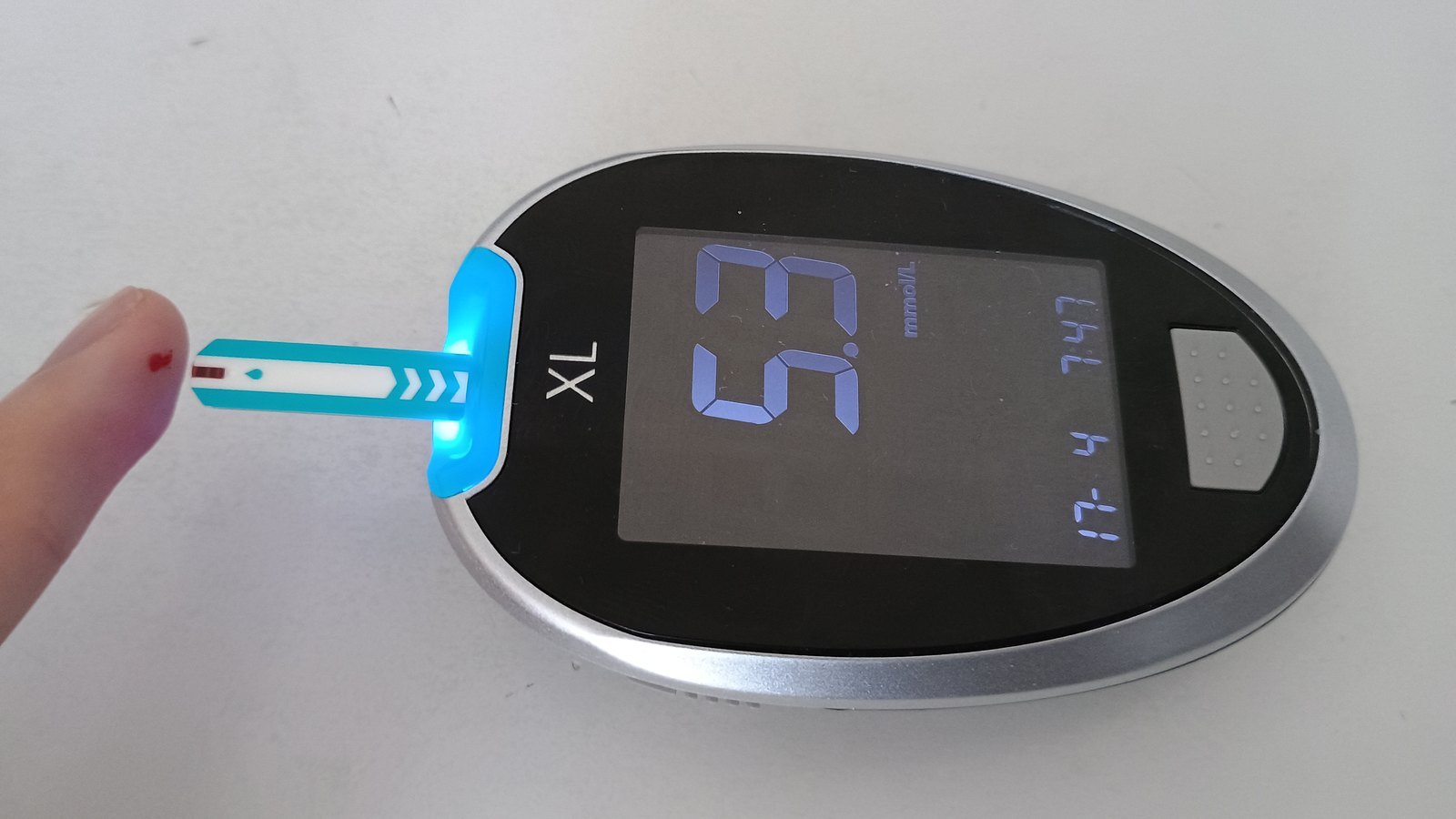
Image credit: Roy Zuo, via Wikimedia Commons, CC BY-SA 4.0; cropped and resized; this adapted image is shared under the same licence. Representative image; it does not show the hospital's patients, staff or premises.